

Top tips to prepare your home for Winter
🧖 Heat the person
Wear extra layers
Wearing several layers of clothing helps you stay warmer without turning up the heating. Choose wool or fleece, and don’t forget thick socks and slippers. Wearing hats and scarves indoors can also help, and using blankets while sitting or sleeping keeps your body heat in. Heated blankets can really help and cost around 4p per hour to run.
Keep moving
If you can do some gentle activity around the house - like walking, tidying up, or stretching - this helps your body generate heat. Sitting still for long periods makes you feel colder, even in a heated room.
Eat and drink warm things
Drinking hot drinks and eating warm meals help raise your body temperature and make you feel cosy. When you boil the kettle, only fill it up with the water you need. Using the microwave for meals can also save energy.
Use warm spaces outside your home
If your home is still chilly, local libraries, community centres, or warm spaces set up by councils can be useful. Visiting friends or family for short periods can also help you stay warm without using extra energy.
🏠 Keep heat in your home: simple fixes
Bleed your radiators
If your heating feels patchy, trapped air might be the problem. Bleeding your radiators helps them run more efficiently. Add reflective panels behind radiators - these bounce heat back into the room. Don’t block radiators with furniture – it stops heat from circulating properly.
Use small, low-cost heat sources
Plug-in electric heaters are expensive to run, so use electric blankets, heated throws, microwave wheat bags, hot water bottles - they can keep you warm without needing to leave the central heating on all day. These are very cheap to run and can make a big difference in keeping you warm.
Seal gaps and draughts
Draughts can let a lot of heat escape. Use draught excluders to doors; foam strips on windows; cover letterboxes; use sealant to block cold air around windows, doors, flooring, letterboxes, loft hatches.
Close curtains at night, open them in the day
Keep warmth in by closing curtains at dusk and open them in the day to let warmth in from the sun. Use thermal curtains or blinds - they help insulate your home and reduce heat loss.
Try turning down your boiler flow temperature
Maintaining a constant temperature is better for your home. So, try turning down your boiler flow temperature so you can have your heating on for longer.
🏠 Keep heat in your home: tackle damp and mould early
Ventilate your home regularly
In order to reduce condensation in your home, adequate ventilation is needed in the right places. However, opening windows isn't always the best thing, as letting too much cold air into a room could reduce the temperature of walls and make a condensation problem worse.
Background ventilation can be provided by opening trickle vents on windows or ensuring air bricks are clear, especially in kitchens and bathrooms.
Dehumidifiers can be useful as a short term solution during humid weather.
A very effective solution in dealing with persistent condensation issues is Positive Input Ventilation (PIV). This is a fan in the loft that draws outside air into the home, forcing stale air out through trickle vents and building fabric. PIV will also help to remove radon - a naturally occurring gas from the ground, as will a radon sump. Note: radon removal equipment needs to be kept running all the time.
Extractor Fans: Make sure nothing is blocking an extractor fan so it can continue working effectively.
If your property suffers from condensation or mould, the Cornish company, South West Ventilation can provide specialist advice and solutions. For a no-obligation survey, visit: southwestventilation.co.uk or call 01326 727101
Wipe down condensation
Keep on top of condensation by wiping windows and walls daily to stop mould taking hold.
Heating
Heat rooms adequately to raise the air and surface temperatures. Avoid portable gas and paraffin heaters as they release water vapour while generating heat.
Turning your heating down by just 1°C could cut your heating bills by up to 10%. Try setting your thermostat to 18°C which should be a comfortable setting for most households.
Setting your heating and hot water to come on only when required could save even more on your household bills.
Match your duvet to the seasons – use a low tog in summer and high tog in winter to avoid having to use the heating unnecessarily.
Cooking
Use lids on pans when cooking, use an extractor fan and close the kitchen door when steam is being created. Keep extractor fan running for a while after cooking.
Bathroom
When using the shower in the bathroom, keep the internal door shut and use an extractor fan or open a window afterwards. Keep extractor fan running for a while after showering.
Laundry
Drying clothes indoors without ventilation can make condensation and mould worse, so when possible, dry clothes outside or near an open window.
If you have to dry laundry indoors, restrict to one room with the door closed and a window opened slightly or use a dehumidifier to take away the moisture released by the clothes as they dry - even a small one can help reduce excess moisture. Avoid drying clothes on radiators if possible.
📞 If it’s difficult to stay warm at home – especially for older people, families with children, or anyone with health issues – it’s important to get advice. We can help you check if you’re eligible for grants or support schemes, or help with a boiler repair or upgrade. Contact us on Freephone 0800 954 1956 or email: advice@cep.org.uk
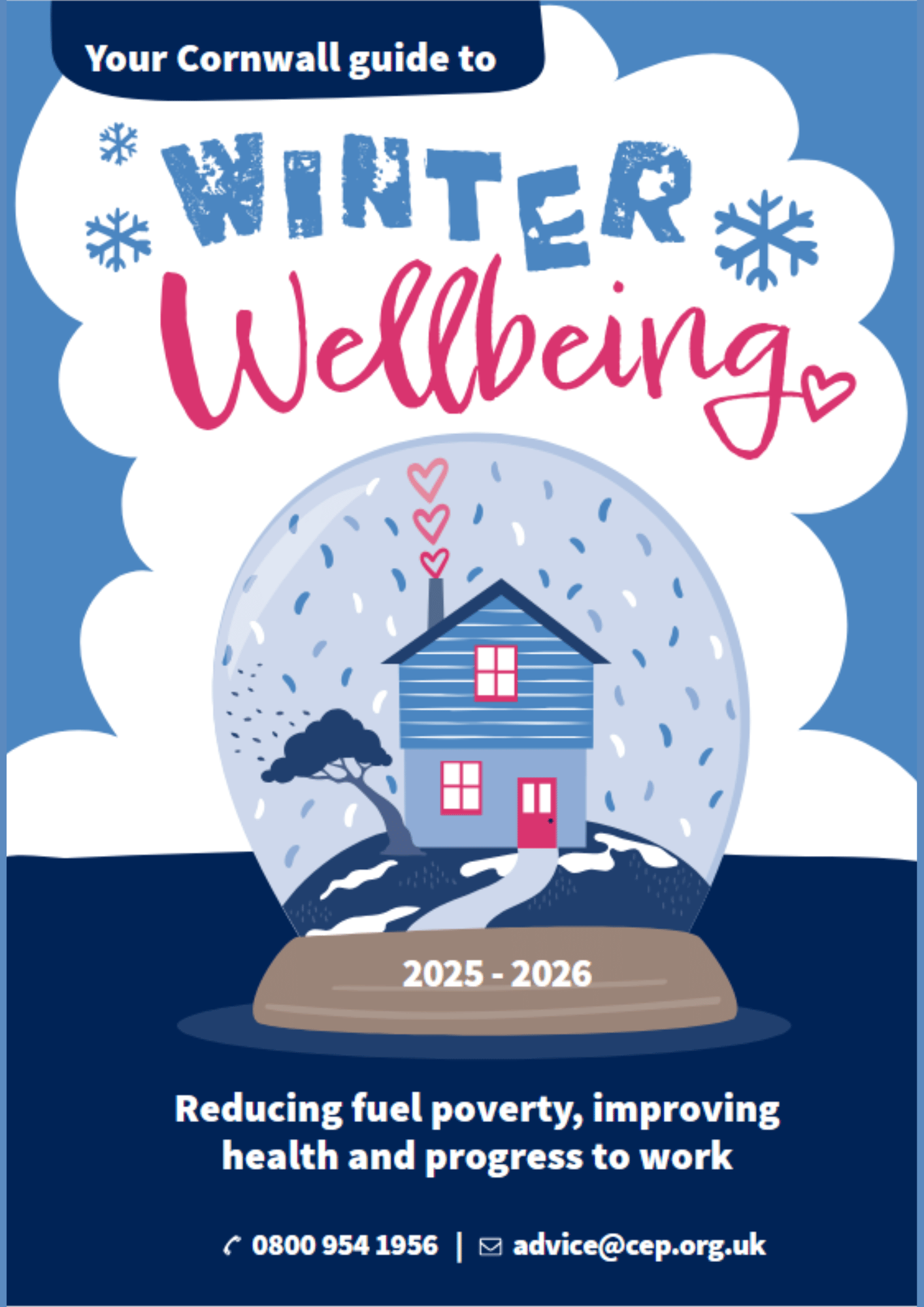
Winter Wellbeing Guide
Take a look at our Winter Wellbeing Guide 2025-26 – packed with useful advice and information about staying warm, keeping well and being happy and safe this winter. Hard copies are available from Council One Stop Shops, libraries and many other sources.